


From Chips to Intelligent Systems: Reinventing the Semiconductor Business in the SDV Era with PwC Consulting and Mobiveil (A GlobalLogic Company)






Let's start engineering impact together
GlobalLogic provides unique experience and expertise at the intersection of data, design, and engineering.
Get in touchThe semiconductor industry is entering a new phase, where value is no longer defined by performance alone, but by how intelligently chips, software, and systems work together. As Software-Defined Vehicles (SDVs), physical AI, and autonomous systems scale, semiconductor companies must move beyond component innovation to enable intelligent, adaptive ecosystems.
PwC Consulting LLC and Mobiveil, Inc., a member of the GlobalLogic group, entered into a partnership agreement in 2024. This collaboration is focused on creating long-term value in the semiconductor industry by combining PwC’s strategic advisory capabilities with Mobiveil and GlobalLogic’s strengths in semiconductor design, software, and platform engineering. Together, the organizations aim to help clients navigate increasing complexity and unlock new business opportunities across the evolving semiconductor ecosystem.
At the same time, the industry itself is undergoing a fundamental shift. The growing adoption of generative AI, AI agents, and Physical AI — including robotics — is not only accelerating innovation, but also redefining how semiconductors are designed, integrated, and monetized. As chips become tightly coupled with software and intelligent systems, value is moving beyond standalone components toward fully integrated, AI-driven solutions.
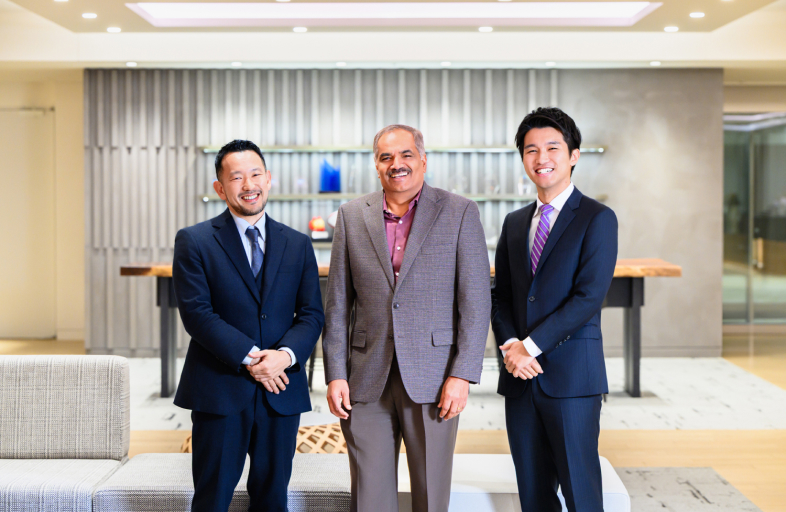
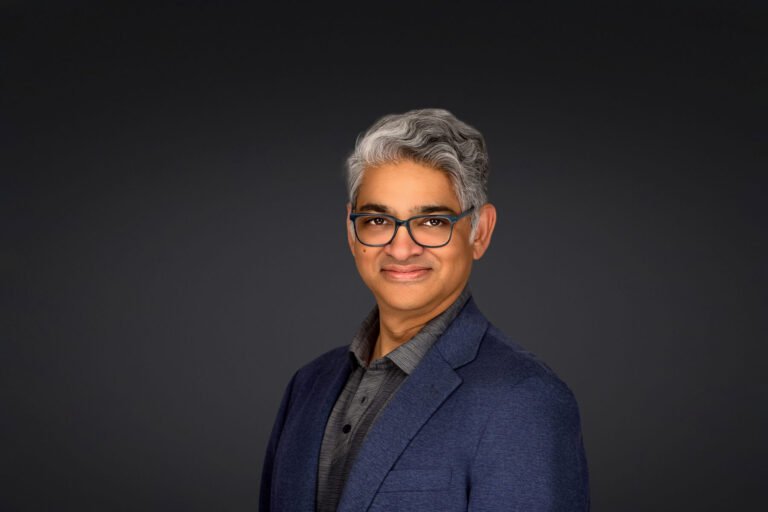
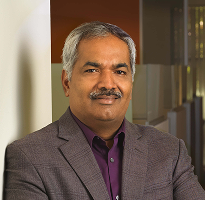
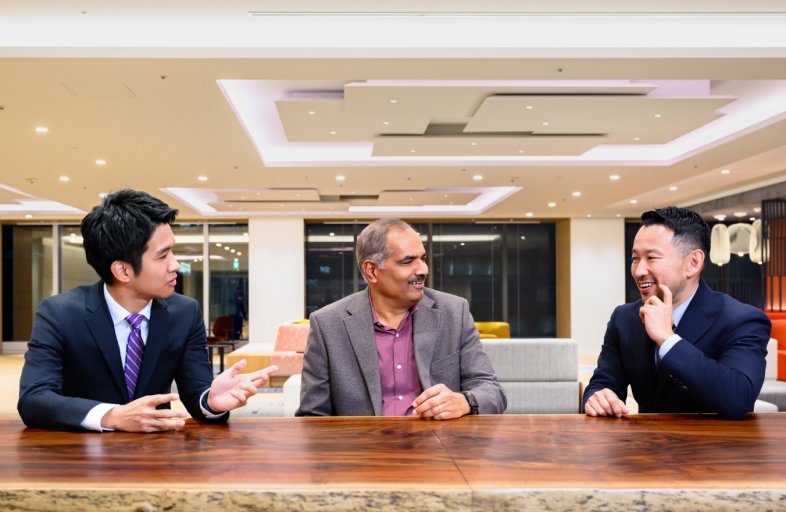
From left: Kimihiko Uchimura, Partner at PwC Consulting LLC, Ravi Thummarukudy, CEO from Mobiveil (A Hitachi Globallogic Company), Yoshiyuki Yamaguchi, Senior Manager at PwC Consulting LLC
Against this backdrop of rapid transformation, Kimihiko Uchimura, Partner at PwC Consulting LLC, Yoshiyuki Yamaguchi, Senior Manager at PwC Consulting LLC and Ravi Thummarukudy, CEO of Mobiveil, Inc. (A Hitachi Globallogic Company) and Sathish Kumar, Sales Director, GlobalLogic Japan, explored the emerging trends reshaping the semiconductor landscape industry, and how sustained collaboration can enable the next generation of value creation.
From General-Purpose Chips to Specialized, AI-Driven Systems
As demand grows for AI-enabled, software-defined systems, semiconductor companies are moving beyond general-purpose chips toward highly specialized architectures designed for specific use cases.
Uchimura: I believe 2025 was a year in which PwC Consulting and Mobiveil significantly strengthened our partnership in the semiconductor business. Ravi and I visited semiconductor-related companies in Japan and the United States together. Through those visits I strongly felt that many semiconductor manufacturers are aiming to enhance their GTM (Go-to-Market) capabilities, and that semiconductor-focused businesses will see even further growth going forward.
Ravi: The collaboration between our two companies is steadily progressing. In addition, through our involvement in a wide range of businesses, I feel that we have secured a very winning position within the industry.
Yamaguchi: For the past several years, the semiconductor market has been dominated by high-performance general-purpose semiconductors. Recently, however, we have seen new changes emerging out of Silicon Valley, and I believe there is a gradual shift from general-purpose to specialized semiconductors. What kind of changes do you think we will see from here?
Uchimura: I am convinced that demand for specialized semiconductors will continue to expand. Consider the case of data center operators that are designing and developing their own custom semiconductors. At present, a primary supplier in the market is exclusively responsible for manufacturing them, but going forward, we may see multisourcing as multiple new players—including Japanese companies—take on part of that role. This could transform the structure of the supply chain.
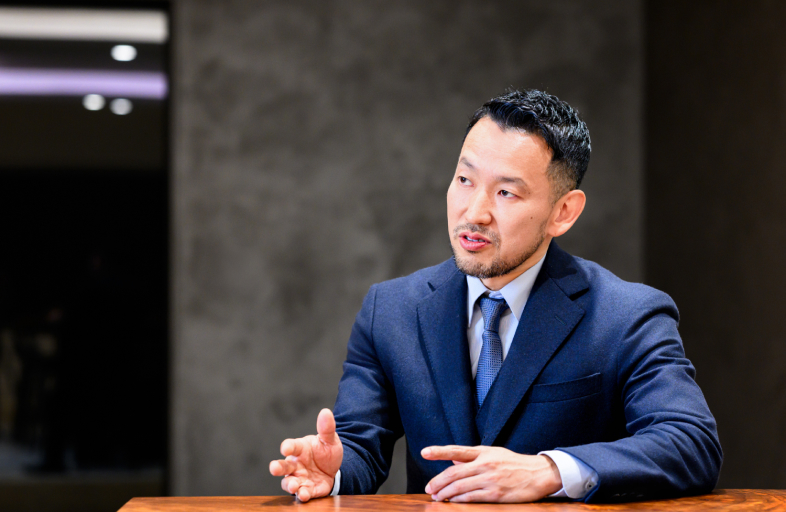
Kimihiko Uchimura, Partner at PwC Consulting LLC
Yamaguchi: I also feel that the increasing sophistication of software development and of user requirements is influencing the shift toward specialized semiconductors. For example, products like chiplets—extremely small yet highly functional components—have emerged, and new use cases such as SDV are accelerating their evolution.
Users no longer need just high-performance chips; they need complete systems that integrate hardware, software, and intelligence. |
Ravi: From a business perspective, the key is to provide the solutions that users are looking for. Users need high-performance chips and software, and beyond that, complete solutions in the form of entire systems that incorporate them.
Yamaguchi: For Japanese semiconductor-related companies to survive in a market that changes day by day, responding effectively to those kinds of demands seems likely to be a critical point.
Ravi: Japan’s semiconductor industry delivers extremely high-quality products not only through Integrated Device Manufacturers (IDMs), but also across the supply chain in areas such as materials, testing, and packaging. Looking ahead, I believe it is important for Japanese semiconductor-related companies to engage more proactively with rising global demand. At the same time, compared with overseas competitors, one challenge I see today is that they are not as visible on the global stage.
Physical AI Is Reshaping Compute, Supply Chains, and System Design
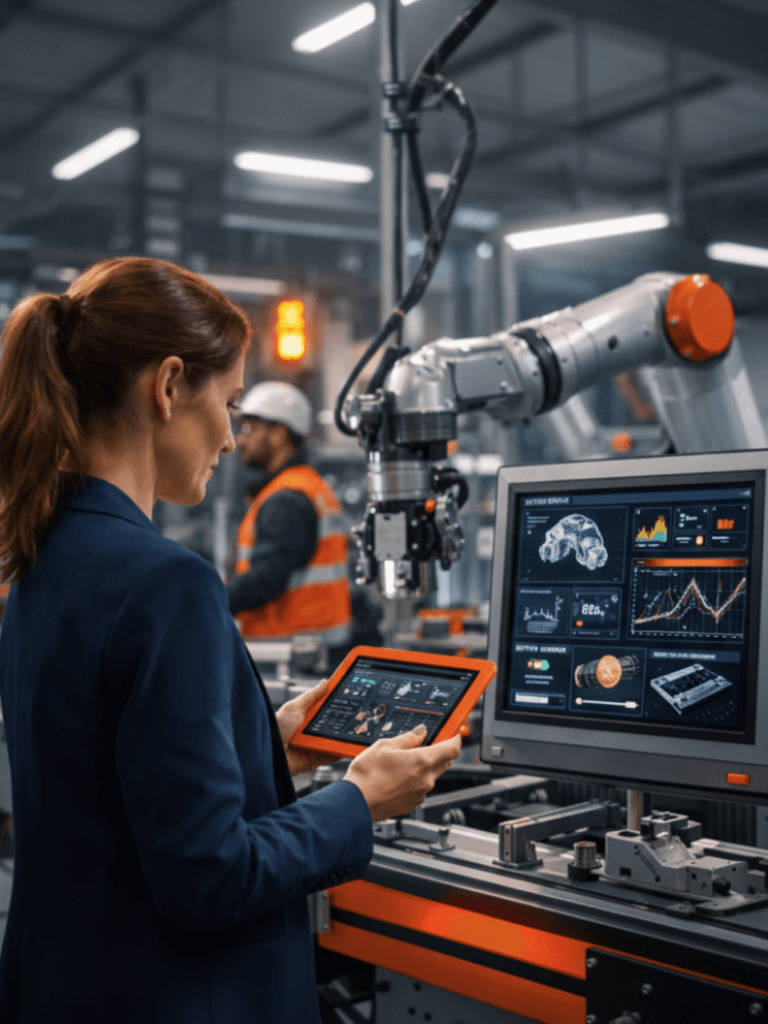
As AI expands beyond digital environments into the physical world, it is driving fundamental changes in where and how compute is designed, deployed, and scaled, from centralized data centers to edge devices and autonomous systems.
Yamaguchi: Within this shift from general-purpose to specialized semiconductors, what trends are you seeing from a business perspective?
Ravi: In the data center business, I think the current model—where major U.S. semiconductor manufacturers supply GPUs—will continue for the time being. At the same time, however, we are seeing more cases where the data center operators themselves, as users, are taking on the challenge of developing custom semiconductors in-house. The automotive industry is similar: automakers and OEMs are beginning to consider in-house development of specialized semiconductors.
Yamaguchi: The reconstruction of supply chains with geopolitical risks in mind is also a major factor.
Ravi: That’s right. For example, semiconductor manufacturers (foundries) are working to strengthen the resilience of its supply chain by geographically dispersing its production sites. This trend is the same in Japan, the U.S., Europe, China, and India. Especially since the COVID-19 pandemic, supply chains have been changing in every possible way: dispersing manufacturing across multiple plants, outsourcing packaging and testing, and more.
AI is pushing compute closer to where data is created—driving custom silicon, distributed supply chains, and the rise of physical world intelligence powered by digital twins. |
Uchimura: There are two major trends in physical AI and robotics. The first is that the role of robots is shifting from repetitive simple tasks to more complex operations. The second is that their operating environment is expanding from indoor to outdoor settings. For the multiple markets that require robots, there is a need to provide specialized software tailored to the specific requirements of each—namely, specialized semiconductors.
Ravi: As outdoor examples, you can think of robotic surveillance of parking lots and the use of robots in agriculture. For outdoor robots, it is difficult to place the entire development environment outside, so you need to define a digital twin from the early stages and develop models on that basis. We are conducting a wide range of technology developments along with partners in this area of physical AI.
Expansion of robot utilization
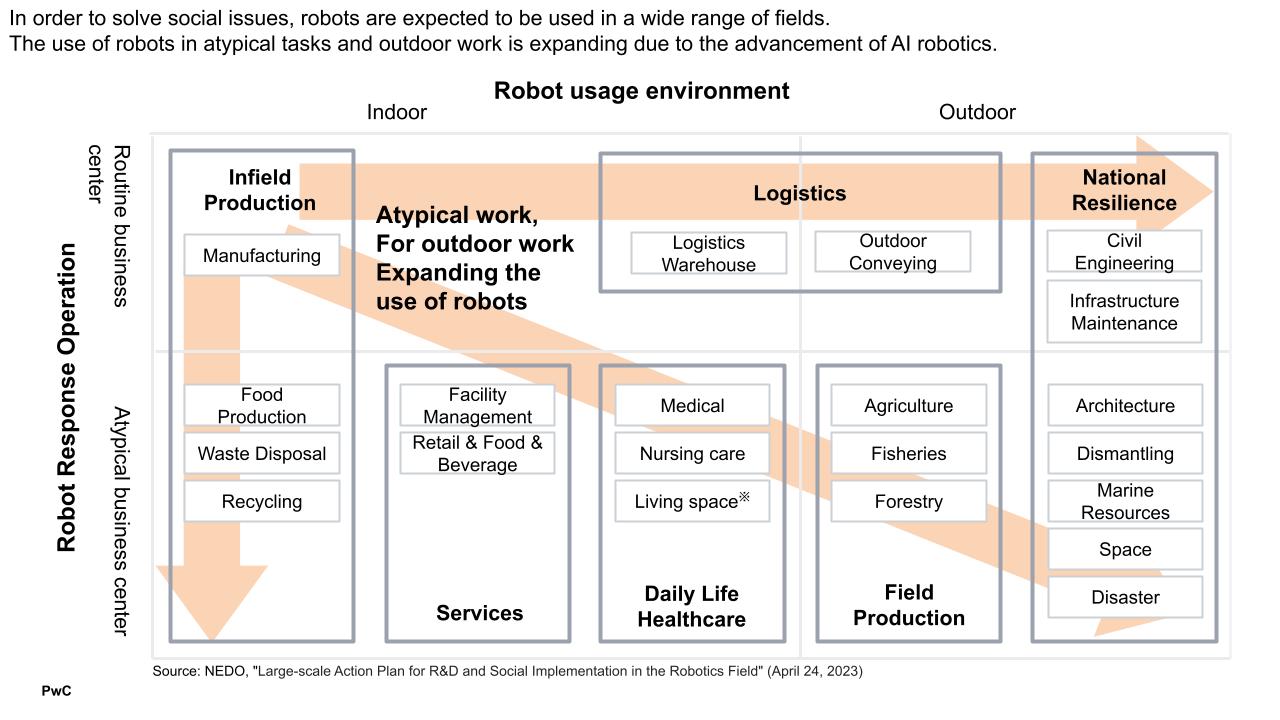 Prepared by PwC Consulting LLC.
Why Ecosystems Are Becoming Essential in the SDV and Semiconductor Era
As semiconductor design becomes more complex and software-defined vehicles push the boundaries of safety, performance, and integration, companies are facing a new reality: they can no longer innovate in isolation.
Ravi: I believe one of the key challenges for Japan’s semiconductor industry is a shortage of development resources. In conversations with several executives, there is concern that a serious resource shortfall may become acute by 2030. In our collaboration with PwC Consulting, it will be important to support clients in enhancing their capacity and capabilities from a resource standpoint. I also think it will be crucial to build better resource pools.
Uchimura: If we consider semiconductors in the context of SDV here, as a premise, does product security also need to extend to the chips and devices themselves?
Sathish: Security to ensure functional safety is essential for every chip and for everything running on those chips. Security for automobiles in particular is extremely critical. There is a constant concern about whether it is safe to turn cars into electronic devices, and whether systems such as braking could be subject to attack, and OEMs are highly vigilant about this.
Ravi: The trend of automakers and OEMs working on the development of their own custom semiconductors is very clear. However, because automobiles require a very high level of safety, these efforts are cautious and will take time.
One way to change this situation is to build and provide a platform that supplements and shares the capacity and capabilities of OEMs. Industry-wide initiatives involving a broad range of members — including automotive manufacturers, semiconductor manufacturers, cloud providers, and software vendors — play that role.
Yamaguchi: If such initiatives can provide a cloud-based platform for in-vehicle software development, OEMs can streamline the workload required for data management and interface design, helping to resolve issues such as capability shortages. In addition, for OEMs, developing their own semiconductors is a major challenge; by leveraging common initiative frameworks, it becomes easier to ensure security and to address risks with minimal effort.
No single OEM can build everything on its own. Platforms and ecosystems are essential to share capabilities, ensure safety, and scale innovation. |
Ravi: For Mobiveil and the GlobalLogic group as well, the formation and growth of ecosystems surrounding SDVs is extremely important. There are similar cross-industry organizations in Japan as well, aren’t there?
Uchimura: Yes, there is ASRA. It promotes R&D and standardization of specifications for automotive SoCs (System on Chip) that apply chiplet technology. ASRA is aiming to create a Japan-origin standard template, but at this point no standardized platform yet exists.
Rearchitecting the Vehicle: The Rise of Centralized, Software-Defined Systems
As vehicles become increasingly software-defined, their underlying architecture is undergoing a fundamental shift from fragmented, function-specific control units to centralized computing platforms that enable continuous innovation.
Ravi: In Japan, which industries do you think will see the greatest growth in semiconductor demand in the future?
Uchimura: Manufacturing is expected to see the largest growth. Demand will also increase in niche, specialized markets, but manufacturing will come first, followed by communication and Industrial automation. These industries are facing a severe labor shortage, so projects that a single company can no longer handle will be taken on by consortia of multiple companies, and they will use robots to compensate for the lack of human resources.
Within manufacturing, the automotive industry is particularly important. In the automotive sector, production of SDVs and SDV-related services is increasing, but at present each company and each vehicle still has its own separate ECUs (Electronic Control Units). To further spread SDVs, I believe ECUs will be consolidated into core ECUs that centrally control the vehicle.
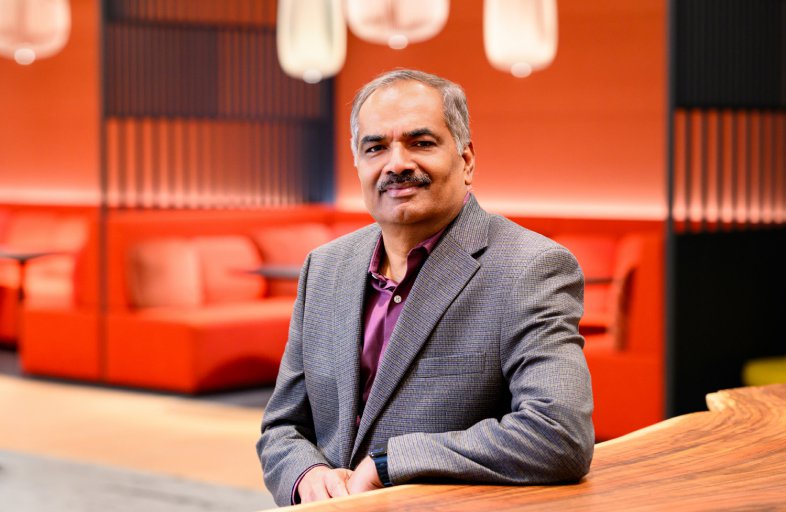
Ravi Thummarukudy, CEO from Mobiveil,(A Hitachi Globallogic Company)
Ravi: Under the concept of zonal computing, in-vehicle electronics are organized by physical zones (front, rear, left, right), with zonal ECUs managing local sensors and actuators. These connect to centralized high-performance compute units that run vehicle-wide functions, reducing wiring complexity and enabling more efficient software management and OTA updates.
Structure of Software Defined Vehicle
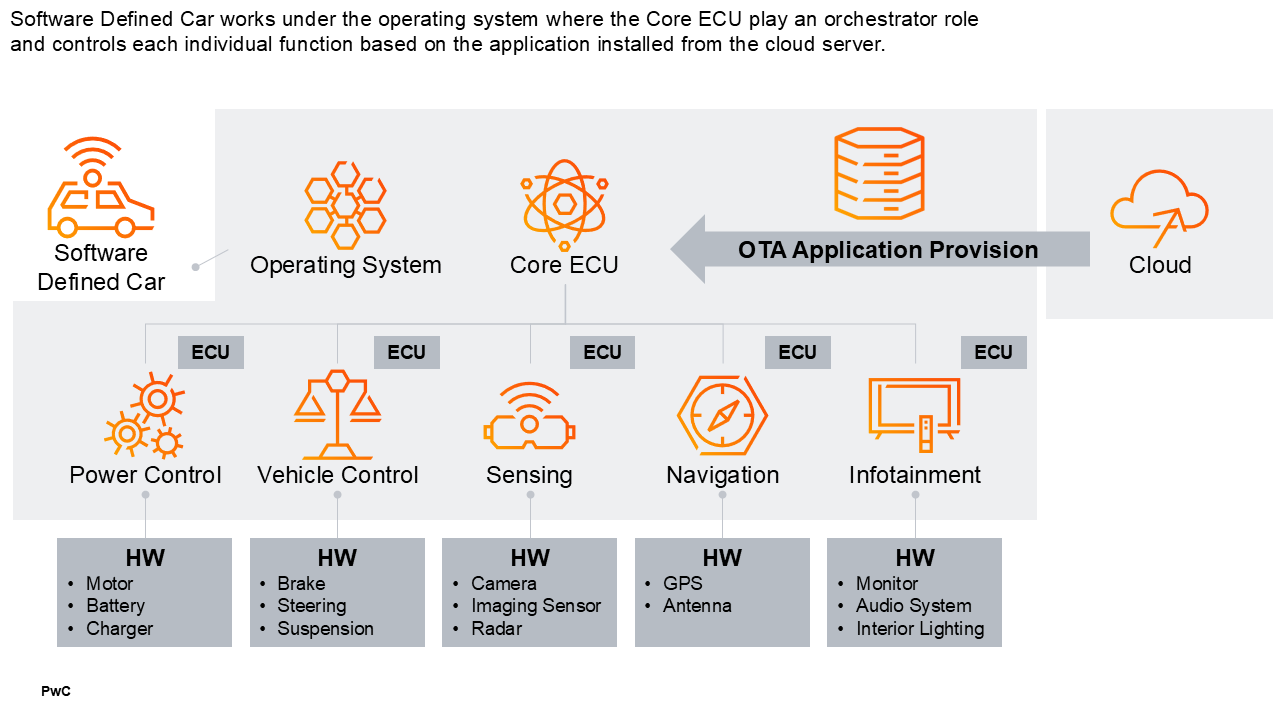 Prepared by PwC Consulting LLC.
Uchimura: That’s right. As our research report also shows, the E/E (Electrical/Electronic) architecture of automobiles is shifting from a traditional distributed model to a zone architecture. In this approach, a central HPC (High Performance Computing) unit controls each zone in a centralized manner, which simplifies in-vehicle wiring, reduces physical complexity, and is expected to improve the stability of software updates such as OTA. While the integration and consolidation of the many ECUs that previously handled individual functions is progressing, the reality is that many legacy ECUs still remain.
Yamaguchi: As core ECUs become more widespread, the number of individual ECUs divided by function will decrease, and decoupling of hardware and software will advance. As a result, it becomes easier to add or modify functions, and the development period for new vehicles can be shortened. I believe this will be a significant benefit for users as well.
No One Wins Alone: Why Ecosystem Orchestration Is the New Advantage
As semiconductor and SDV development becomes more complex, the challenge is shifting from individual innovation to coordinated execution across ecosystems of partners, platforms, and technologies.
Uchimura: We also have the LSTC (Leading-edge Semiconductor Technology Center) as an organization that connects technology and business. It is an industry–government–academia body whose purposes include R&D on cutting-edge semiconductor technologies and the development of human resources. The participating companies and universities each have their own specific areas and themes within the semiconductor field. Universities and semiconductor-related companies collaborate at a regional level and are working efficiently on R&D and talent development.
Yamaguchi: SDV and new semiconductor development face challenges. This relates to the industry initiatives we discussed earlier: each automaker and OEM want to be number one in new technology domains and hopes to make its own platform or OS the common standard. This drive contributes to technological advancement at each company, and Japanese OEMs are strong in having smart, diligent people and an extremely meticulous approach to work. But compared with Chinese OEMs and others, things can take more time. Japanese OEMs and automotive-related companies are actively investing in the SDV domain, but there is also a risk that, amid intense competition, they may ultimately be unable to recoup those investments, significantly impacting their business operations.
The winners in the SDV era won’t be those who build everything themselves but those who can orchestrate ecosystems align partners and scale innovation across platforms. |
Yamaguchi: Precisely because every company wants to become a pioneer in this field of technology, a key challenge is how to bring others onto a shared platform and achieve efficient technology development.
Uchimura: For companies that are thinking of doing everything from 1 to 100 on their own, there needs to be a coordinator who can say, “You don’t have to do everything yourselves; you can leverage existing capabilities and security platforms.”
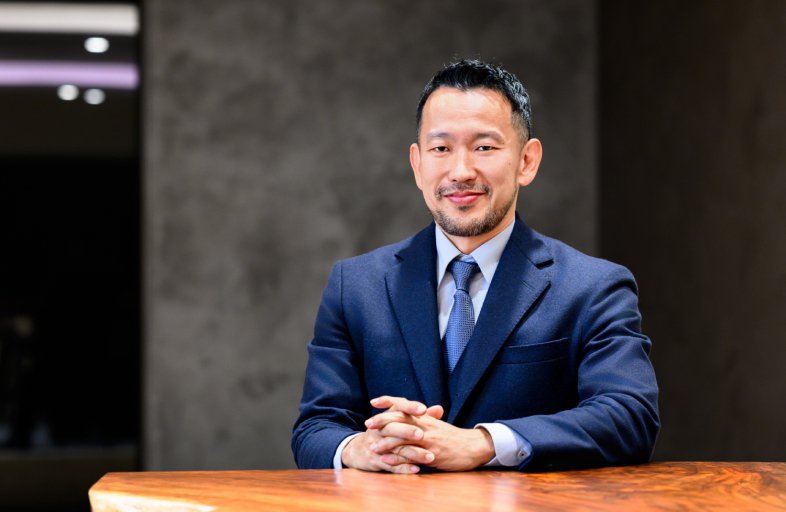
Increasingly, this role is evolving into a form of intelligent orchestration — where platforms, tools, and engineering workflows are coordinated to accelerate development while maintaining security and quality.
Yamaguchi: We have a track record as that kind of intermediary, and we have touchpoints with players across the industry. By building connections — for example, Mobiveil can provide interfaces, and the GlobalLogic group has broad strengths in Software, cybersecurity and semiconductor design, and we can flexibly collaborate with other partners — we can extend OEMs’ capabilities, accelerate their activities, and build an ecosystem based on a common platform.
This kind of ecosystem integration is critical as industries move toward software-defined, AI-enabled systems that require seamless collaboration across domains.
Ecosystem Enabled by the Services Provided by GL/MV & PwC
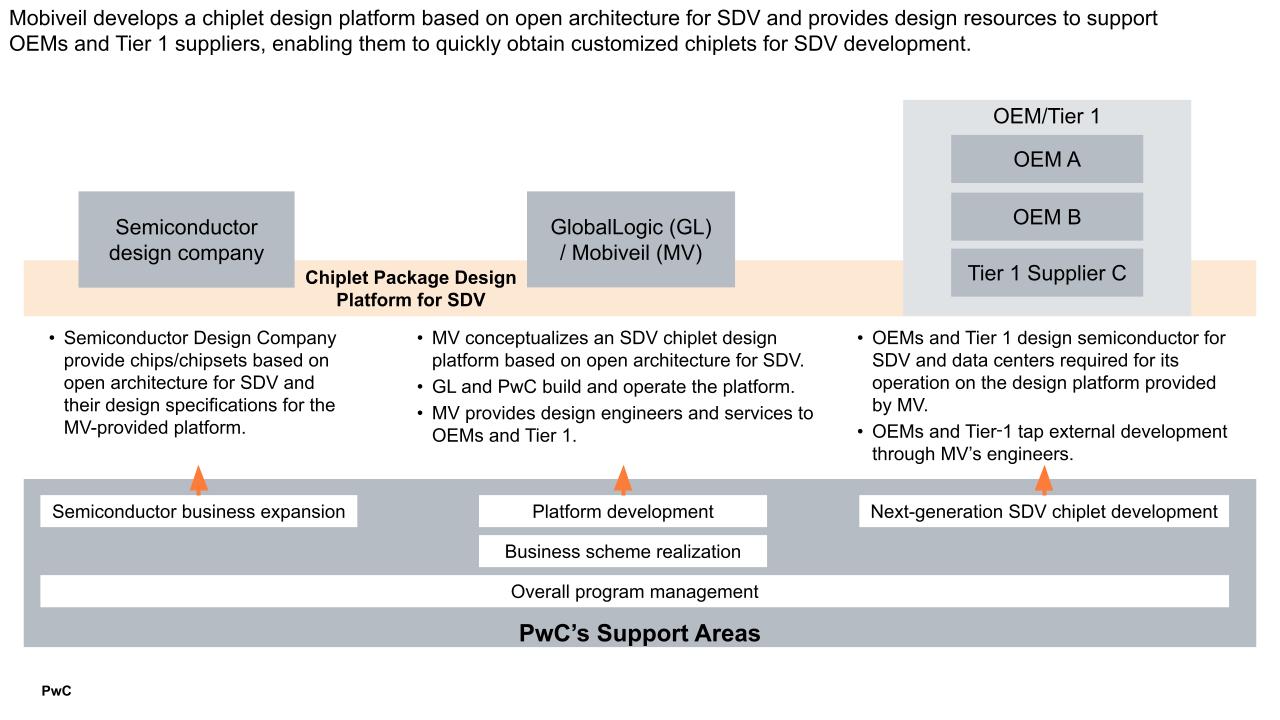 Prepared by PwC Consulting LLC.
Ravi: There are still clear limits to what OEMs can do on their own. It’s important that we pool our capabilities and match them in the optimal way. Of course, we cannot be involved in every single area, but I believe there is a lot we can share as part of a broader strategy.
Yamaguchi: In doing so, financial returns as a business are important, but I think it is equally important how much social impact we can generate. By becoming pioneers in these technology fields, we ourselves want to create social impact.
Sathish: I think that is extremely important. We will share capabilities on the OEMs’ platforms and provide support from the technology side. In addition, as a further, higher-level initiative, I believe we can also work together with OEMs on go-to-market strategies.
Beyond Autonomy: The Need for Connected Mobility Systems
While autonomous driving continues to advance, the next phase of mobility will be defined by connectivity, enabling vehicles, infrastructure, and platforms to operate as coordinated, intelligent systems.
Yamaguchi: As initiatives for the next stage of market growth, I expect that SDV development and investment by major Japanese manufacturers will continue. At the same time, as the powertrain shift from internal combustion engines to EVs progresses, barriers to entry are lowering. Not only traditional automotive OEMs, but also startups and companies with track records in other industries are entering the automotive sector and establishing a presence in the SDV domain — we are seeing new movements that cross traditional industry boundaries.
Ravi: Is investment also progressing in the autonomous driving domain?
Uchimura: I believe it will become significant in the future, but at this point most projects are still on the PoC stage. For example, in areas with relatively low traffic volume, domestic automakers are conducting tests of autonomous driving.
As development progresses, the challenge is shifting from building individual autonomous capabilities to enabling coordinated behavior across vehicles and environments.
Yamaguchi: Some advanced automakers are conducting demonstration tests of autonomous driving with the aim of obtaining Level 4 approvals. These are not as large-scale or advanced as the initiatives in San Francisco, but I think that through the evolution of autonomous driving and SDV development, richer and safer mobility and lifestyles will be realized.
Autonomy alone isn’t enough. Mobility becomes truly intelligent when vehicles infrastructure and systems are connected. |
Ravi: San Francisco now has – several hundred robotaxis largely operated by one company with other companies may enter in the near future. These vehicles primarily relay on onboard intelligence rather than direct communication with each other.
While V2V and V2I communication could unlock the next phase of autonomy, it will require standardized frameworks and intelligent systems capable of processing and acting on real-time data across distributed environments.
Turning Semiconductor and SDV Strategy into Real-World Impact
As the semiconductor and automotive industries converge with AI, the challenge is no longer just defining strategy—but executing it across complex, interconnected ecosystems.
Yamaguchi: Starting from the shift toward specialized semiconductors, we have discussed the unique challenges of the semiconductor and automotive industries and possible directions for their solutions. As the market grows, user requirements will continue to become more sophisticated, and how we support that will be crucial. A major takeaway for me was that by reaffirming the strengths of PwC Consulting, Mobiveil, the GlobalLogic group, and Hitachi, we confirmed once again that we can provide support at every phase—from strategy formulation through to implementation.
As AI becomes central to semiconductor and mobility innovation, bridging this gap between strategy and execution is becoming a critical differentiator.
Ravi: Through our collaboration with PwC Consulting, I strongly felt that we have secured a very strong position in growth markets that span multiple themes, including physical AI, SDV, data centers, and energy. We will continue to demonstrate leadership and work together to solve future challenges in a world where specialized semiconductors are the norm.
Uchimura: Looking ahead to the wider adoption of physical AI and SDVs, it will be necessary to promote collaboration among industry players, partner companies, and even industry associations and policymakers. We hope to serve as a bridge among these stakeholders and generate meaningful impact for society.
As the industry continues to evolve, the ability to integrate semiconductor innovation, software, and AI into cohesive, scalable systems will define the next generation of leaders. This end-to-end approach reflects a broader shift toward accelerating ideas into impact — where strategy, engineering, and AI-driven execution are tightly integrated.
Winning in the SDV and semiconductor era isn’t just about having the right strategy; it’s about executing it across complex, AI-driven ecosystems. Explore how to turn strategy into scalable execution across AI-driven ecosystems in our latest POV on Agentic AI and enterprise architecture — download it here.
 How can I help you?
