
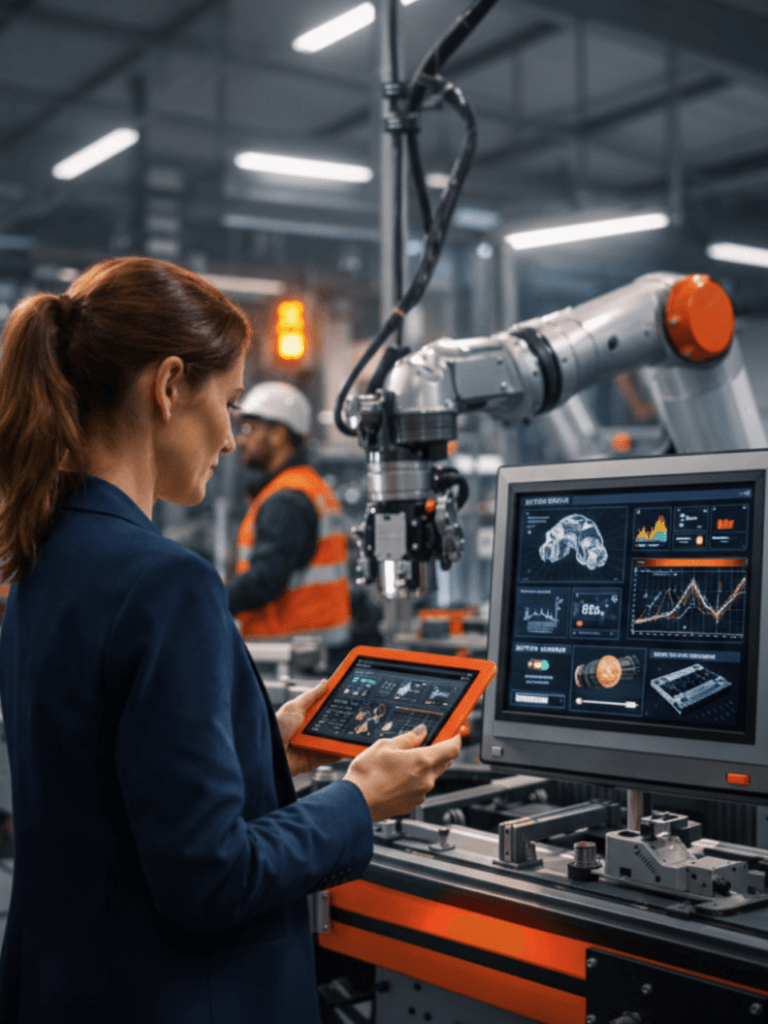




Internet of Things (IOT)


B
What is Internet of Things?
The Internet of Things (IoT) is considered a network of physical objects connected to the Internet. These objects include a variety of physical equipment, like medical and agricultural machinery, traffic lights, smart devices, computers, vehicles, even robots and supply chains. These connections do not require human-to-human or human-to-computer interaction.
How does Internet of Things work?
Objects that are connected to the Internet collect data through sensors, then send that data to, or between, devices and to the cloud. The data is transferred from a device to the cloud or to another IoT device, which allows for remote monitoring, control, and analysis. The number of IoT devices is expected to grow from 9.7 billion in 2020 to more than 29 billion by 2030, according to Statista.
What are the business benefits of Internet of Things?
- Increases productivity and efficiency using remote troubleshooting and monitoring by updating in real-time
- Accelerates speed by processing data and connectivity automatically, without the need for intensive human interaction and effort
- Streamlines workflows as IoT automates, and quickly completes, complicated tasks that might otherwise take much longer to finish, saving time and reducing costs
- Improves decision-making through the collection of valuable tracking and monitoring of data, optimizing analysis and decisions
- Lowers operational costs by allowing companies to collect, track, and monitor data with real-time visibility, manage internal and external automation, leverage employee productivity, and provide protection across the organization’s network infrastructure.
Related Articles