


Physical AI


B
What is Physical AI?
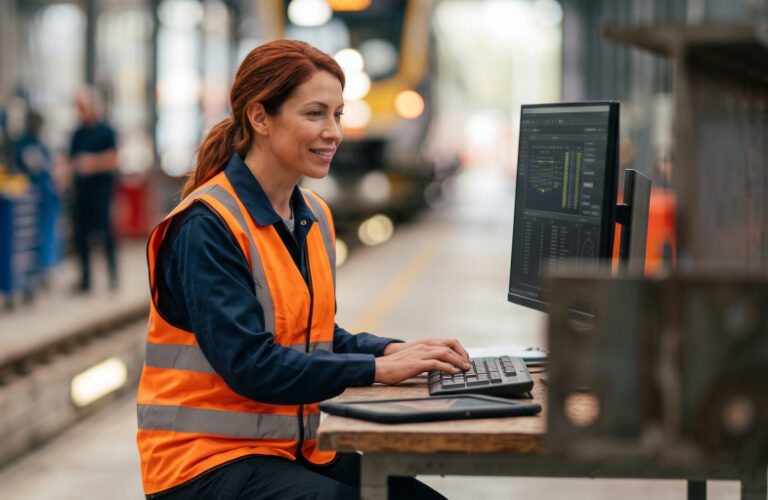
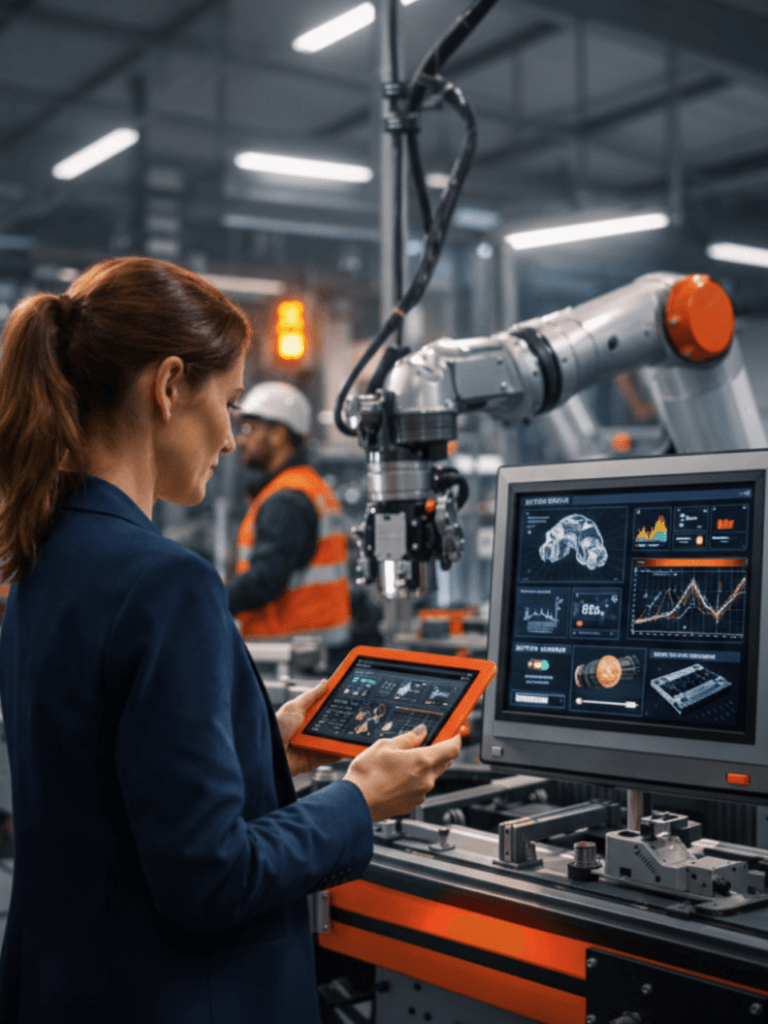
Physical AI allows artificial intelligence systems to think, reason, and perform like humans in the physical world, as opposed to operating only in a digital or virtual environment. Physical AI elevates robotics, autonomous vehicles, industrial automation, and other applications to perform complex tasks, where AI must process sensory inputs like audio, visual, lidar, and motion. These inputs then produce functional physical outputs in the real world. Physical AI bridges the physical and digital world by combining advanced machine learning with embedded systems and mechanical engineering.
How does Physical AI work?
By blending sensors, such as cameras, radar, lidar, and microphones with onboarding processing units, physical AI enables machines to operate, reason, respond, and interact dynamically to their environment., much like humans. These models interpret sensory input, then outputs like steering, grasping, assembly, or navigation decisions, are generated within seconds. Large volumes of real and simulated data are required to train physical AI models, while deployment usually demands rigorous safety tests and validation. GlobalLogic’s Physical AI practice combines embedded engineering, AI model development, and systems integration expertise to help organizations build physical AI products that will perform reliably outside the lab.
What are the business benefits of Physical AI?
- Enables automation of physical tasks that are dangerous, repetitive, or too precise for human execution
- Improves quality and consistency in manufacturing, assembly, and process control by AI-enabled robots that are efficient and adaptable with advanced learning capabilities
- Reduces operational and energy costs in logistics, industrial, and manufacturing environments through automation and optimization
- Unlocks new product categories, from intelligent medical devices to automated vehicles and drones to autonomous industrial equipment, creating new and significant revenue streams
- Accelerates the development of safety-critical systems by combining simulation, data, and engineering into a cohesive and disciplined workflow
Related Articles