



Augmented Reality


B
What is Augmented Reality?
Augmented Reality is a set of technological capabilities that overlay digital, visual, auditory, graphics, and other sensory information that are integrated with real-world projects to enhance or augment the user’s experience of a physical environment. The digital information is superimposed to highlight specific features of the physical world for the user. Augmented reality differs from virtual reality (VR) in that VR users become fully immersed in a virtual world and become detached from the physical world. Augmented reality is expected to become more popular as it is embedded into many aspects of daily life.
How does Augmented Reality work?
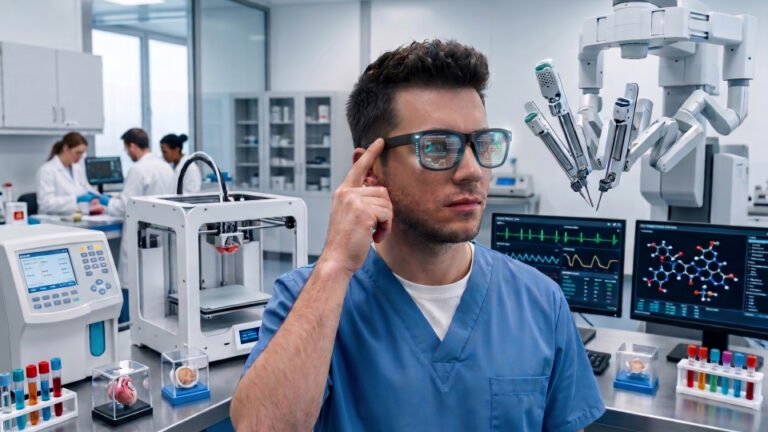
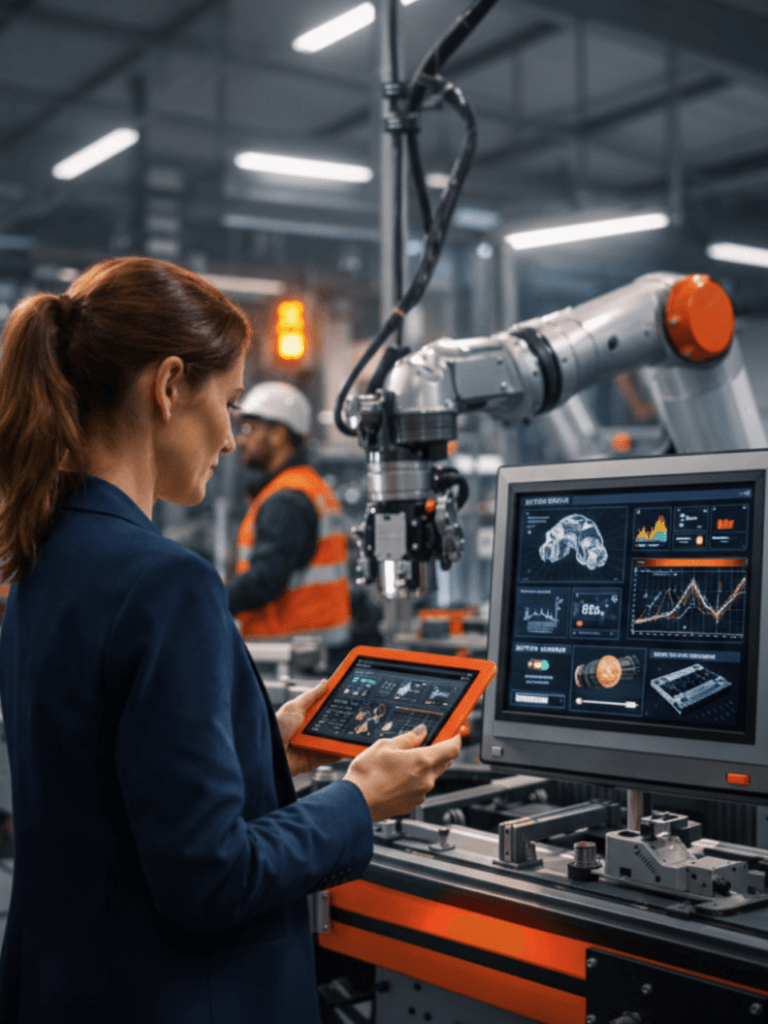
Using a combination of data collection, environmental mapping, rendering, and visual display, a complex model of the physical world is created. Devices like cameras, gyroscopes, depth sensors, GPS, and software are used to display a digital model to the end user, usually through a smartphone or dedicated headset. Augmented reality is now being utilized by many industries, including manufacturing, automotive, retail, e-commerce, gaming and entertainment, and healthcare.
What are the business benefits of Augmented Reality?
- Provides an end user with a sensory-rich immersive experience which can heighten enjoyment and accessibility, while also offering a better understanding of the real world being modeled
- Improves accuracy and productivity by sharing visual models and overlayed digital instructions, which streamlines problem-solving, accelerates operational efficiency, enhances speed and precision, simplifies training safety, transforms education, and reduces downtime
- Elevates the retail experience by offering end users virtual previews of models, such as providing staged furniture or interior design ideas or offering personalized shopping experiences like featuring glasses, hair, apparel, and make-up options, all of which help consumers make more confident purchasing decisions and aid organizations in achieving higher conversion rates
- Supports real-time efficiency as workers can overlay digital schematics, manuals, or other instructions directly into their field of vision, minimizing errors and increasing speed
- Allows for remote collaboration as workers interact, problem-solve, and share ideas and perspectives in real time anywhere in the world
Related Articles